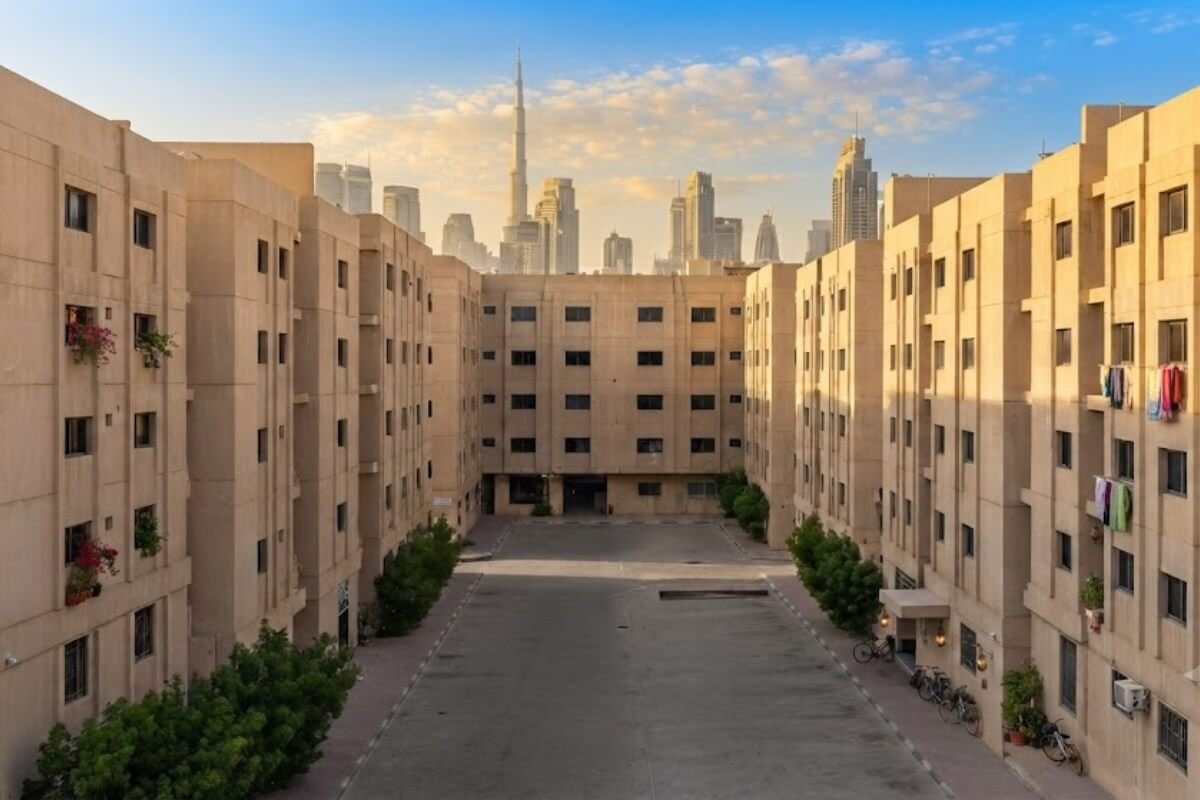
Staff turnover is expensive — recruitment costs, lost productivity during onboarding, and project delays all add up. What many employers overlook is how much of that turnover starts with something as simple as where their workforce sleeps, eats, and unwinds after a shift. Good facilities management isn’t just about keeping a camp running; it’s one of the most direct levers employers have over retention. Here are five practices that make the biggest difference.
Why Facilities Management Directly Impacts Retention
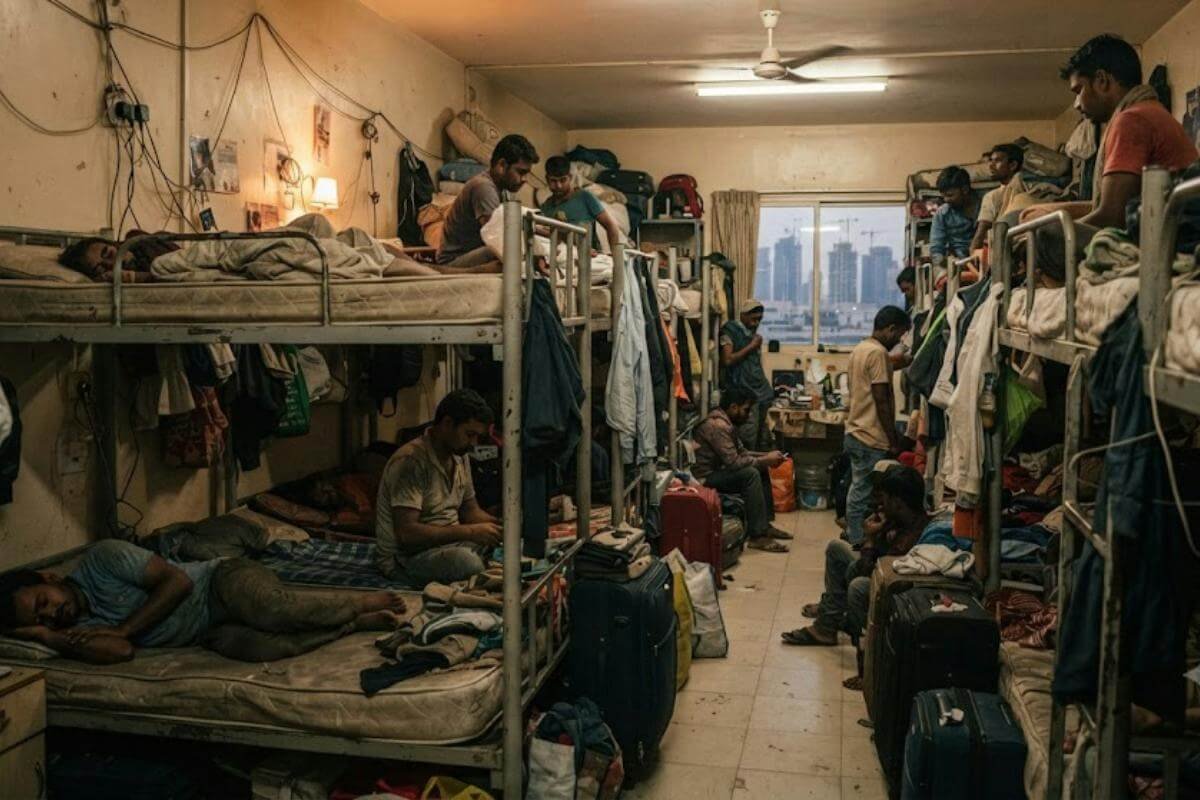
Workers who feel genuinely looked after — clean living conditions, quick fixes when something breaks, a management team that listens — are far less likely to leave for a competitor’s project. On the other hand, a poorly managed camp creates daily friction: a broken AC that takes a week to fix, a kitchen nobody cleans, a complaint that goes nowhere. Over time, that friction shows up as resignations, absenteeism, and workers who simply stop caring about the job. Facilities management, done well, removes that friction before it builds up.
Proactive Maintenance, Not Reactive Fixes
The single biggest complaint in poorly run camps is slow maintenance response — especially for essentials like air conditioning, plumbing, and electrical issues. A reactive approach, where fixes only happen after repeated complaints, breeds resentment fast. A proactive approach flips this: scheduled inspections of AC units, plumbing, and electrical systems before they fail, plus a clear turnaround time (ideally 24-48 hours) for reported issues. When residents see problems get fixed quickly and consistently, trust in management builds — and that trust is what keeps people from looking elsewhere.
Consistent, Scheduled Housekeeping
Cleanliness isn’t a one-time setup — it’s a daily discipline. Kitchens and washrooms in particular need fixed cleaning schedules, not ad-hoc attention. The most effective camps treat housekeeping the way a hotel would: assigned staff, checklists, and regular quality checks, rather than leaving hygiene to chance or to residents themselves. This single practice, done consistently, is often what separates a camp residents complain about from one they genuinely don’t mind calling home.
Reliable Communication Channels for Residents
A resident with a problem and no clear way to report it will either let it fester or escalate it loudly — neither is good for morale. Effective facilities management includes a simple, known channel for residents to flag issues: a camp supervisor who’s actually reachable, a WhatsApp line, or a suggestion box that gets checked regularly. Just as important as having the channel is closing the loop — letting residents know their issue was received and when it’ll be resolved. Silence is what turns a minor complaint into a major grievance.
Investing in Common Areas and Amenities
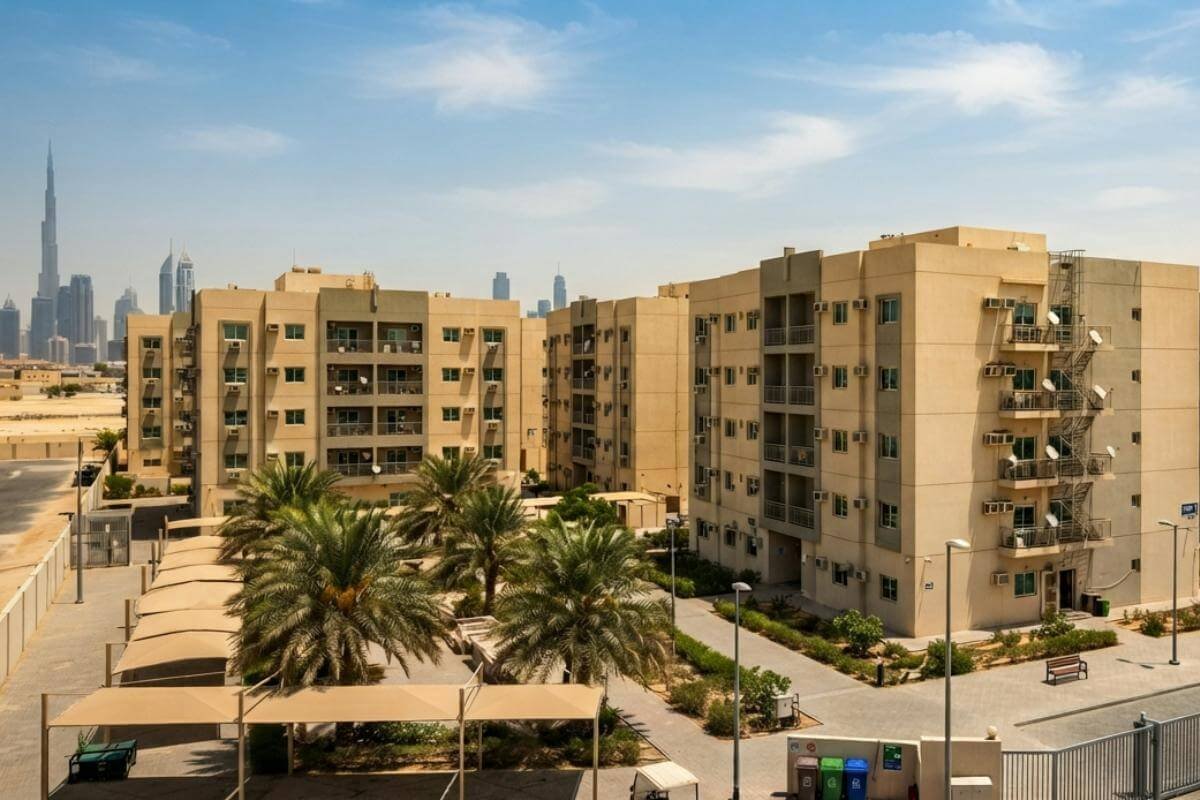
Sleeping quarters aren’t the only thing that defines camp life. Common areas — dining spaces, seating areas, recreational spots — give residents somewhere to actually decompress after work. Facilities management that treats these spaces as an afterthought (poor lighting, broken furniture, no maintenance) sends a clear message about how much residents’ comfort matters. Investing modestly in well-kept common areas pays back significantly in day-to-day morale and, ultimately, in how long staff choose to stay.
Regular Compliance & Welfare Checks
Beyond ticking a regulatory box, routine compliance checks — occupancy limits, fire safety, ventilation, general welfare standards — are a practical tool for catching small issues before they become serious ones. Camps that only think about compliance when an inspection is scheduled tend to let standards slip in between. Building routine welfare walkthroughs into regular facilities management (not just annual audits) keeps a camp consistently safe, hygienic, and aligned with Dubai Municipality and MoHRE requirements — which protects both residents and the employer’s license to operate.
The Cost of Getting Facilities Management Wrong
Cutting corners on facilities management rarely shows up as an immediate cost — it shows up gradually, in the form of higher turnover, harder recruitment, and workers who talk about a bad camp experience long after they’ve left it. In an industry where workforce reputation travels fast, a camp known for being poorly managed can make hiring noticeably harder, regardless of the wages on offer. The investment required to run a camp well is almost always smaller than the cost of constantly replacing staff who left because of it.
Bringing It All Together
None of these five practices are complicated on their own — proactive maintenance, consistent cleaning, open communication, decent common areas, and regular compliance checks. What makes the difference is doing all five consistently, not just when there’s a complaint or an inspection coming up. Employers who treat facilities management as a genuine priority, rather than a background task, tend to see it reflected directly in how long their workforce stays — and how they perform while they’re there.